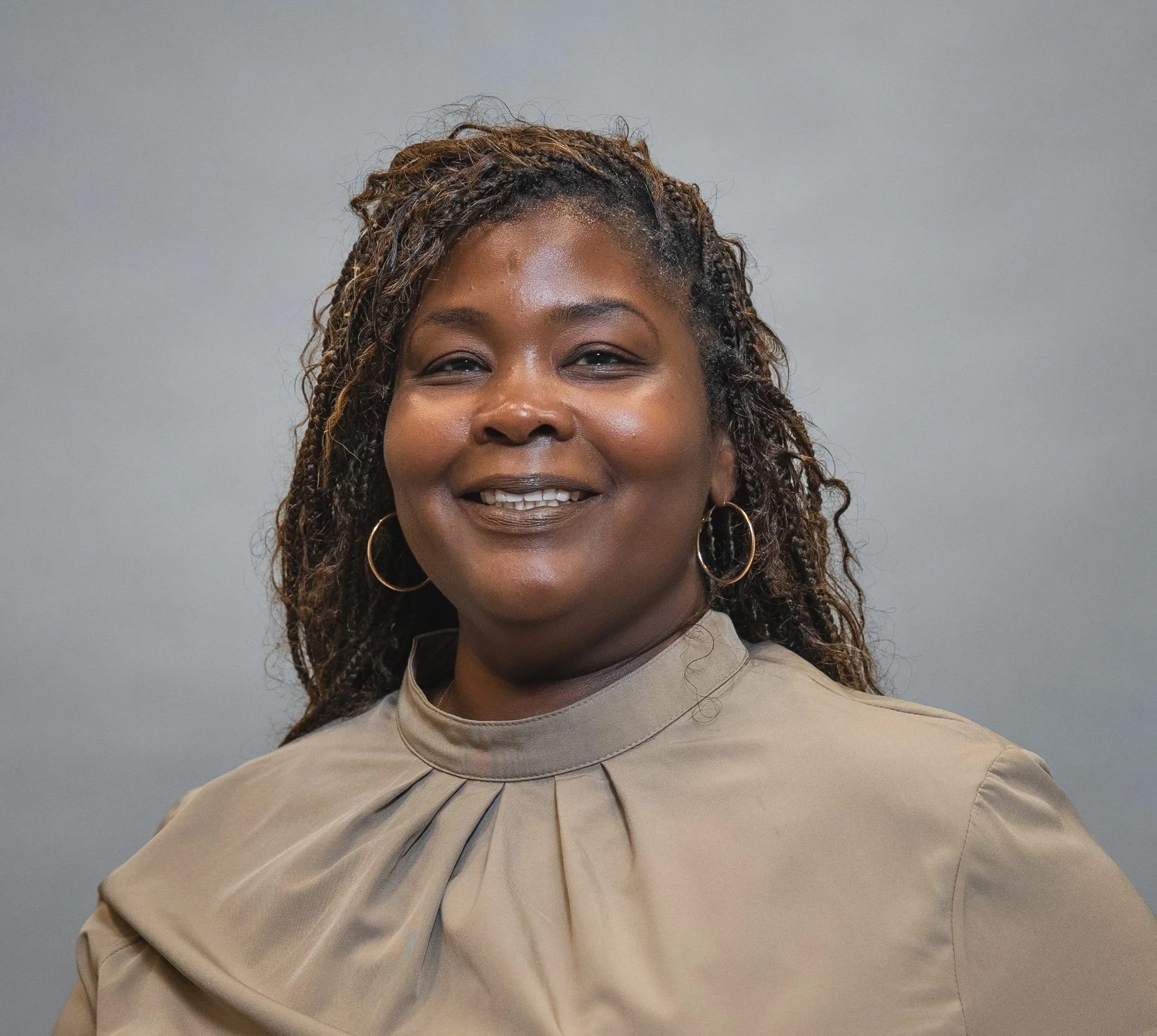
Robin Butler
Assistant Professor of Community Health and Policy
Morgan State University
Area of Expertise: Health Informatics and Literacy
Robin Butler is an assistant professor at Morgan State University’s School of Community Health and Policy. Her interdisciplinary research addresses health inequities using AI and machine learning, focusing on health informatics, STI prevention, and data sovereignty. Butler also develops culturally tailored health interventions through community barbershop dialogue, built environment initiatives, and college career pathway programs.
-
Walker, R., Eisenhauer, E., Thompson, E., Butler, R., Metheny, N., Marino, M., Barroso, C. (2024). American Journal of Public Health
Abstract:
Objectives: To provide initial findings from Community Engagement Alliance (CEAL), a multistate effort funded by the National Institutes of Health, to conduct urgent community-engaged research and outreach focused on COVID-19 awareness, education, and evidence-based response.
Methods: We collected survey data (November 2020–November 2022) from 21 CEAL teams from 29 state and regional CEAL sites spanning 19 US states, the District of Columbia, and Puerto Rico, which covered priority populations served and trusted sources of information about COVID-19, including prevention behaviors, vaccination, and clinical trials.
Results: A disproportionate number of respondents were Latino (45%) or Black (40%). There was considerable variability between CEAL sites regarding trusted sources of information, COVID-19 prevention, and COVID-19 vaccination. For example, more respondents (70%) reported health care providers as a trusted source of COVID-19 information than any other source (ranging from 6% to 87% by site).
Conclusions: CEAL rapidly developed novel infrastructure to engage academic, public health, and community organizations to address COVID-19’s impacts on underserved communities. CEAL provides an example of how to respond in future public health emergencies to quickly promote trustworthy, evidence-based information in ways that advance health equity.
-
Butler, R., Kumar, V., Rowel, R. (2025). American Journal of STEM Education: Issues and Perspectives
Abstract: This paper explores three interdisciplinary case studies at Morgan State University, an urban HBCU, showcasing the integration of AI and ML in STEM education to enhance student employability. Targeting students from underrepresented backgrounds, these initiatives address health disparities. The first case study involves graduate public health students using AI to develop emergency preparedness solutions for marginalized communities. The second features undergraduate engineering students applying ML to analyze data and build predictive models for public health interventions. The third highlights undergraduate health education students designing AI-driven strategies to improve health outcomes in Baltimore City schools. Together, these cases demonstrate how AI/ML-enriched curricula foster critical thinking, interdisciplinary collaboration, and workforce readiness, equipping students to address complex societal challenges.
-
Butler, R., Blake, A., McDaniel, C., Sharma, S., Blake, H. (2026). Journal of Participatory Research Methods, 7(2)
Abstract: Barbershops serve as vital community hubs in distressed areas, where individuals gather not only for grooming but also for social interaction, cultural exchange, and the dissemination of vital information. By recognizing the historical role of barbershops as community dialogue hubs, the project seeks to harness this potential to address health literacy gaps in distressed communities. It does so through a backward design intervention, which in part involves evaluating open dialogues between barbers, health literacy specialists, and community nurse stakeholders. Insights from these dialogues then guide student barbers in crafting health literacy strategies tailored to community needs using a backward design intervention. A backward design intervention is central to informing and enhancing the existing barber training curriculum, ensuring sustainable health literacy practices. Collaboration with the barbershop community, local health organizations, and educational institutions ensures the intervention is culturally relevant and effective. Ultimately, the project aims to develop a pipeline of barber students committed to improving community health outcomes, contributing significantly to the literature on health literacy and innovative community engagement Interventions.